
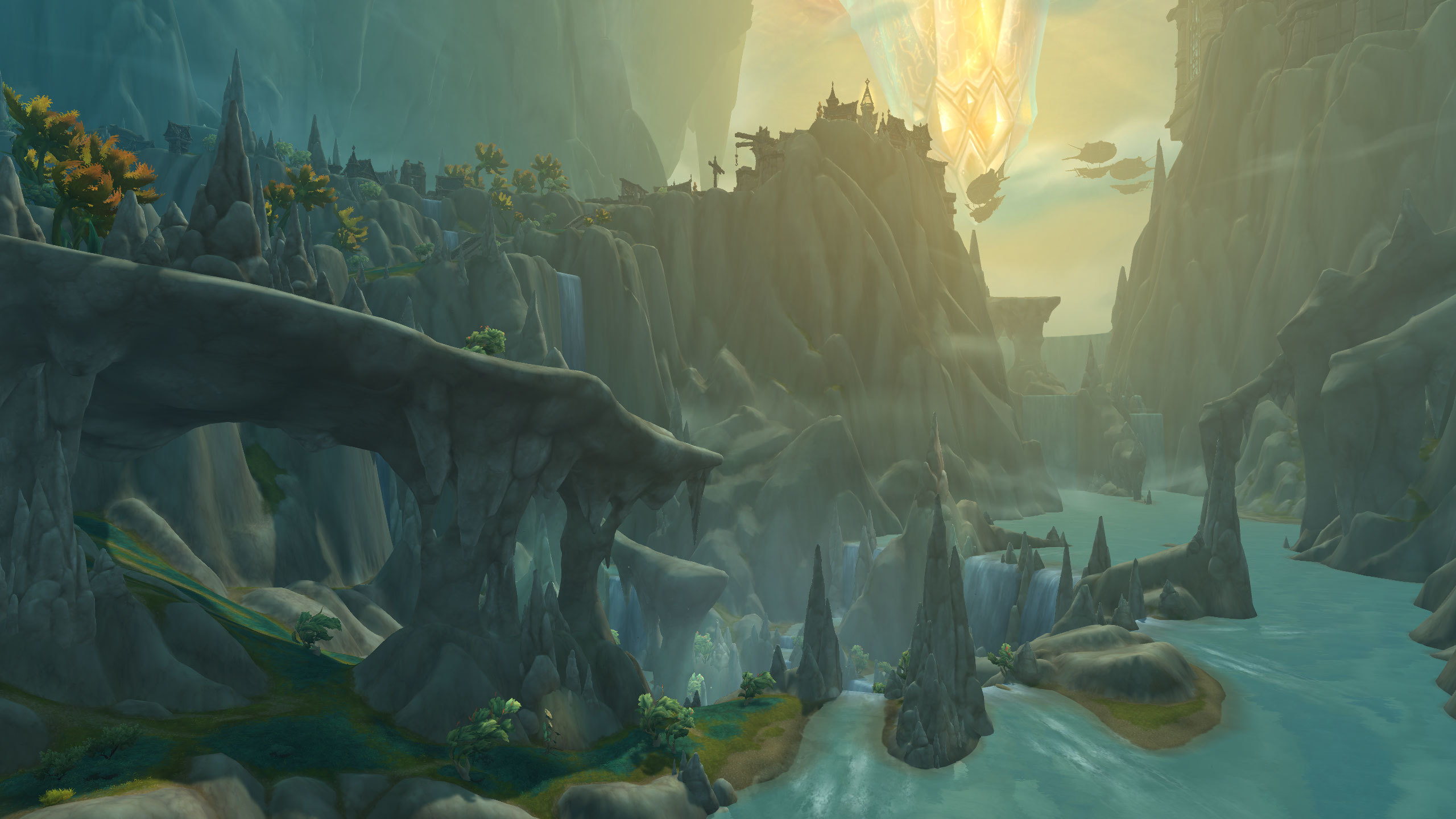
Underground zones have reshaped how players experience space and movement. Instead of wide, open landscapes, these areas emphasize depth, elevation, and layered pathways that challenge both navigation and combat awareness. Fights no longer play out on flat terrain, forcing players to account for height, line-of-sight, and limited visibility.
This vertical design transforms familiar gameplay systems, demanding spatial awareness alongside mechanical execution.

Moving Beyond Flat World Design
Traditional zones favored horizontal movement, where positioning mattered mostly in relation to enemies on the same plane. Elevation changes existed, but rarely defined moment-to-moment gameplay.
Underground environments break that pattern by layering paths above and below one another, turning space itself into an active challenge.
Verticality as a Combat Modifier
Height differences directly influence combat outcomes. Attacks, movement abilities, and targeting behave differently when elevation is involved, adding complexity to even routine encounters.

Players must now consider where a fight happens, not just which abilities to use.
New Skills Required for Underground Play
Success in vertical zones relies on spatial judgment and anticipation rather than pure reaction.
- Managing line-of-sight breaks during combat
- Using elevation to control enemy movement
- Planning escape routes in confined spaces
- Adjusting camera and positioning awareness
These skills reward players who read terrain as carefully as mechanics.
Navigation as a Meaningful Challenge
Underground layouts often obscure direct paths. Ramps, tunnels, and drop-down routes require memorization and exploration, slowing careless movement.
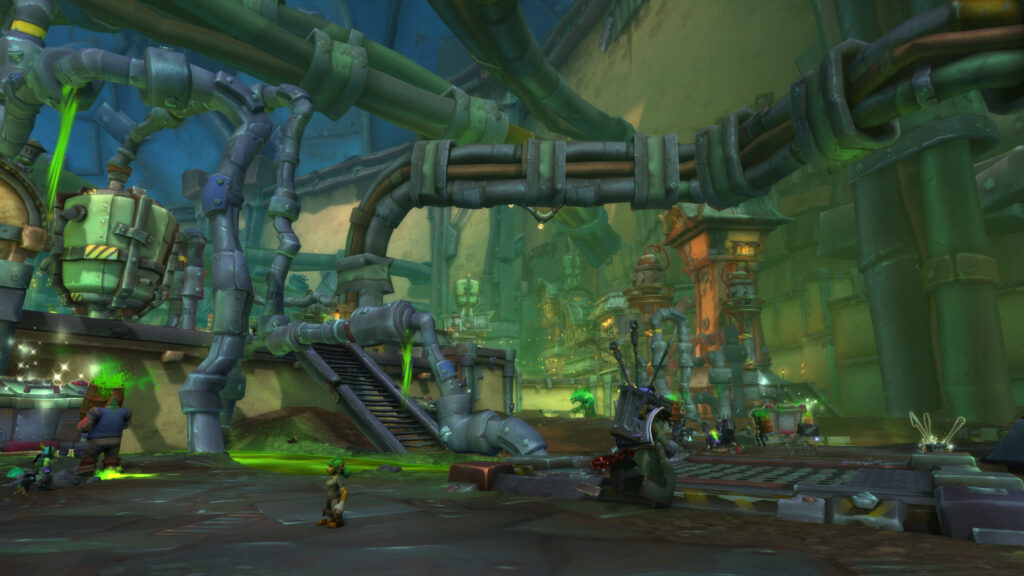
This design restores a sense of discovery, making navigation feel earned rather than automatic.
Atmosphere and Psychological Pressure
Limited visibility and enclosed spaces increase tension. Sound cues, shadows, and environmental effects heighten immersion while amplifying stress during combat.
This psychological pressure complements mechanical difficulty, making underground zones feel distinct and memorable.
Conclusion
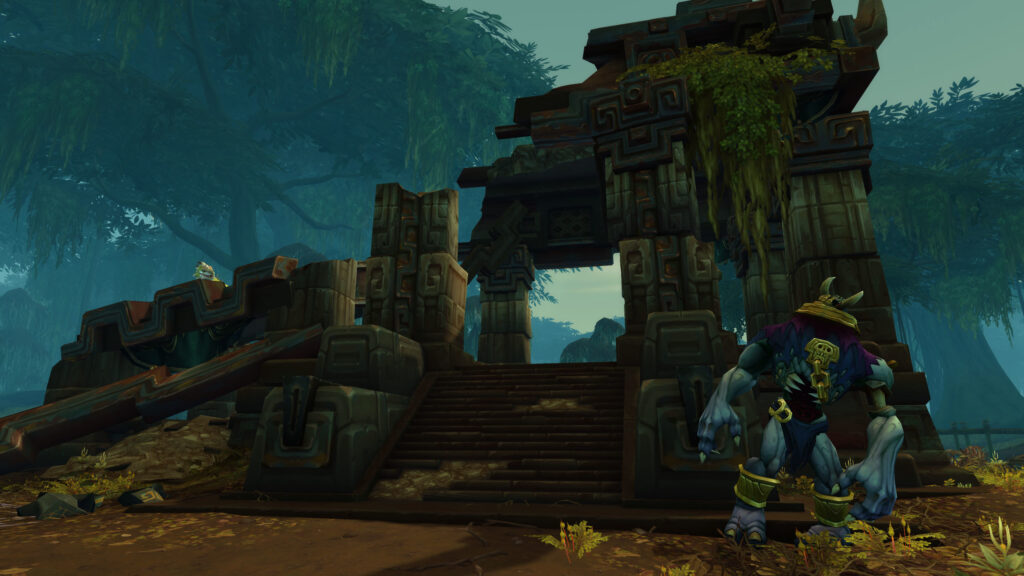
Underground zones redefine combat and navigation through vertical design. By turning elevation and spatial awareness into core challenges, they add depth to exploration and encounters, proving that environment can be as demanding as enemies themselves.