
Introduction
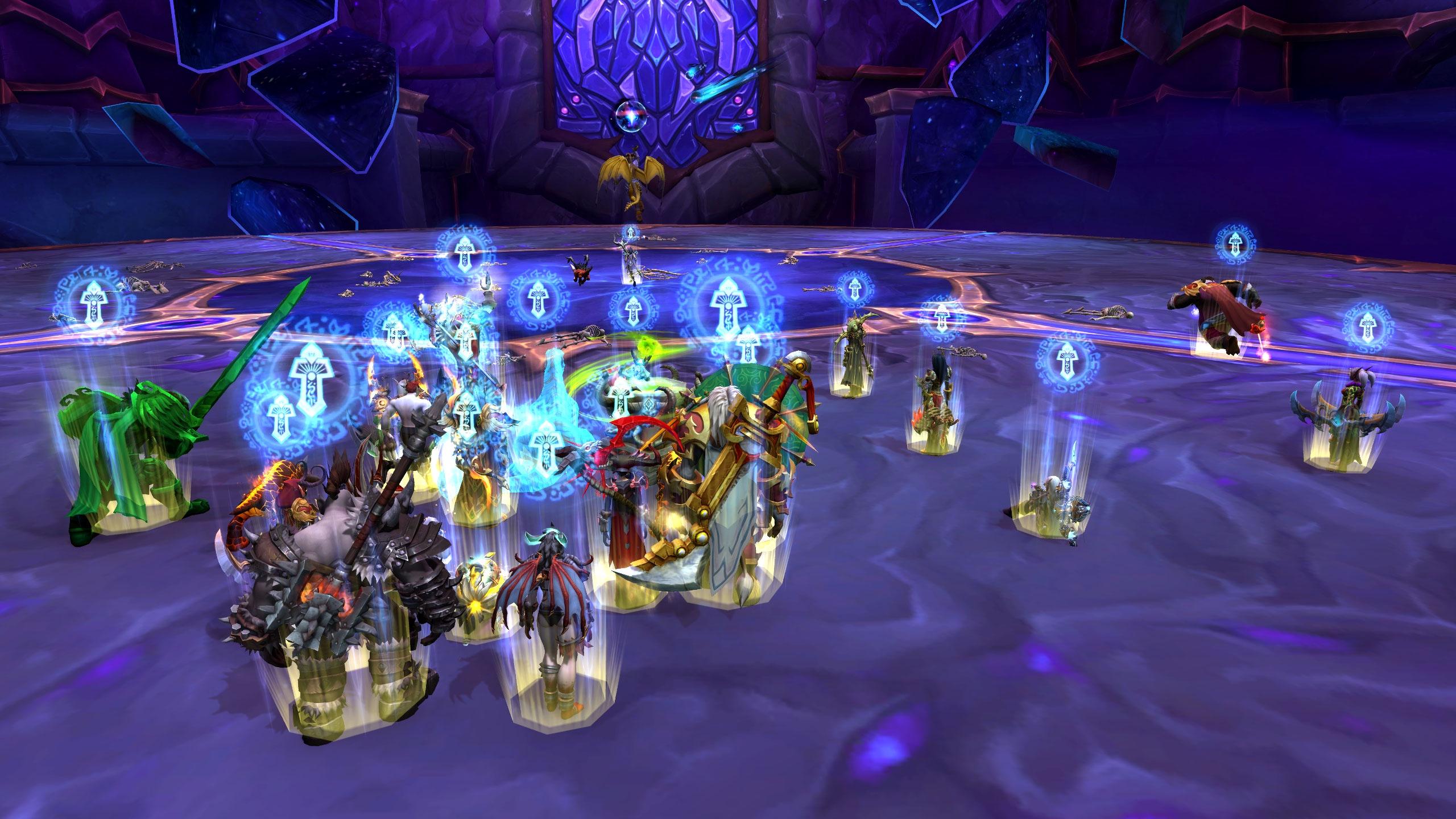
A WoW Raid Boost is a session where a group of skilled players moves through raid bosses quickly to clear each encounter in one run. Instead of spending hours learning every ability and phase on your own, you join a team that already knows what to do. The goal is simple: finish the raid in the shortest time, grab gear drops, and move on. This approach cuts down on trial runs and wipes, so you spend less time stuck on a single boss and more time enjoying new items.
By joining a boost, you tap into the team’s expertise. You follow clear voice calls for movement and cooldowns, so you don’t have to watch every timer. After each boss falls, you check the loot window for upgrades. You leave the raid instance with higher item-level gear than you started with, and you repeat this process until you reach your target gear level. For players who need to gear an alternate character or hit a new item-level tier before a big challenge, boost runs are an efficient way to get there.
This article explains how raid boosts improve your gear in three main ways: by giving you quick access to top-level drops, by ensuring you hit every possible drop slot, and by speeding up your path through weekly raid content. With no focus on service details or payment, the guide stays on the in-game actions you control. Read on to learn why boost runs are a powerful tool for gearing up fast and keeping your character competitive in end-game content.
Access to High-Item-Level Drops
One major advantage of a raid boost is fast access to the highest item-level drops available each week. Raid bosses are tiered by difficulty—Normal, Heroic, and Mythic—each offering gear with higher item levels at the harder settings. In a boost run, teams often push Heroic or Mythic difficulty to ensure every gear slot has the potential for a high upgrade. Since Mythic bosses drop the top item levels, even a single clear can leapfrog you past weeks of farming lower-tier content on your own.
Boost groups synchronize their runs immediately after the weekly reset, when all raid lockouts clear and fresh loot becomes available. Hitting the reset window means you stand in line for new drops as soon as the servers open, rather than waiting for a set weekly raid night with your own group. Once the run starts, the team moves boss to boss without breaks, clearing each encounter in minutes. After a full clear, you walk away with multiple new pieces at the highest item level for that tier, giving you a boost that self-play runs often take several weeks to match.
This speed matters when you face tough week-long content or need to close the gap between your current gear and the next tier. By joining back-to-back boost runs, you stack new item levels quickly. In just a few hours, you can collect upgrades that might take a guild two or three weekly raid attempts to produce. If your goal is to hit a target item level fast—whether to start mythic plus keys, world bosses, or upcoming PvP seasons—boost runs deliver the highest drops at top speed.
Consistent Drop Chances
A second key benefit of raid boosts is the certainty of drop chances across all boss slots. In a typical self-play run, you might skip certain bosses if your group struggles or needs to leave early. That leaves gear slots untouched until the next session. In a boost run, the team follows a set boss order and completes every encounter in one clear. That means you see every loot window and every drop roll, covering head, shoulders, chest, legs, feet, trinkets, rings, and weapons in a single session.

Every boss has a fixed number of loot slots that reset weekly. Boost runs ensure you hit the full set of slots every time. You don’t risk missing a drop because of time limits or group wipes on a late boss. Even if you already have an upgrade in one slot, the team’s focus on speed means the run moves on quickly, and you still roll on any further drops you need. This full coverage increases your odds of finding a specific piece—like a trinket with your preferred secondary stat—so you spend less time farming random world bosses or rerunning lower-level dungeons.
With each fresh run, you build a complete set of gear options. You can track which bosses you’ve cleared and which slots you still need, then plan your next boost accordingly. This consistency takes the guesswork out of drop rates and makes each session predictable. You know you will see every boss and every piece of loot. That repeatable pattern helps you reach full gear sets faster than self-play, where partial clears or schedule conflicts can leave gaps in your lineup.
Gear Variety for Alts and Roles
Boost runs deliver gear for every slot, making them a perfect choice if you want to equip multiple characters or try a new role. Instead of grinding the same content on your main and then starting fresh on each alt, you join the run once and gear all your characters in the same session. You can switch characters between boosts or run two to three sessions back-to-back to cover mains, off-specs, and alts.

Use this list to plan how you gear each character or role in a boost session:
- Main Spec Gear: Focus first on your primary role to hit performance benchmarks.
- Off-Spec Gear: Switch to your secondary role after one or two clears to gear up fallback specs.
- Alternate Characters: Log in an alt at the start of the next boost to collect upgrades across every slot.
- Role Testing: Use early runs to try a new spec or class without losing progress on your main.
- Complete Sets: Target missing slots by running boosts until you fill head, chest, trinket, and weapon spots.
This approach frees you from long waits between runs on each character. You get a full set of items in one play session, rather than requiring separate raid nights for each alt. That means you can experiment with off-spec builds and swap roles in later group content with confidence, knowing your gear is ready.
Efficient Use of Weekly Resets
Fresh raid lockouts open every Tuesday at server reset, giving you a window to claim brand-new loot immediately. Boost teams line up for resets and clear bosses as soon as the servers allow, maximizing drop potential across all slots before any other runs. This timing ensures you face each boss only once that week and see the full range of gear drops on Day 1.
When you join boosts at reset, you take advantage of:
- Full Loot Table: Every boss drops new items for each slot once per week.
- Early Access: Top-tier drops hit your character before guild or pick-up runs start.
- Schedule Clarity: You know exactly when to log in, which makes planning around work or real-life commitments easier.
After the reset runs, you can choose to switch to self-play for practice, or return to boosts on later days to fill specific gear gaps. By front-loading your best runs at reset, you secure upgrades that set the tone for your week. That head start can translate into faster progress in dungeons, world bosses, or rated PvP brackets.
With a clear plan—hit resets for full clears, track your drops, then return for targeted slots—you turn weekly lockouts into a powerful tool for quick gear gains. This cycle of reset-day boosts plus mid-week check-ins keeps your character at peak readiness with minimal downtime.
Tracking and Planning Your Upgrades
To get the most from boost runs, keep a simple record of each drop and plan your next session based on gaps in your gear. Start by creating a tracking sheet in a note app or spreadsheet. For each boost run, note the date, the raid difficulty, and each boss name alongside the items you received. Include columns for item slot, item level, and secondary stats. This lets you spot which slots still need upgrades and which bosses to target next.

Use the following steps to set up and maintain your upgrade log:
- Create Columns: Date, Boss Name, Slot, Item Name, Item Level, Main Stat, Secondary Stats.
- Log After Each Run: As soon as you exit the raid, update the sheet with all new drops.
- Highlight Gaps: Mark slots where your item level is below your target or where you need a specific stat.
- Plan Next Session: Choose a boost run that includes bosses tied to those slots.
- Review Monthly: At the end of each month, check your overall item-level gain and adjust your target for the next month.
By keeping this record, you avoid running the same bosses after you already have a higher-level piece for that slot. You also gain clarity on when you hit your goal for a full set or a key trinket. Over time, this data shows which bosses drop your most-needed items and which runs deliver the best average upgrades.
You can use the log to compare item-level jumps per session, helping you decide if you need more boost runs this week or if you can switch to other content like Mythic+ or PvP. A clear plan based on real drop data keeps your gear path efficient and ensures you spend your playtime where it counts most.
Conclusion
WoW Raid Boost improves your gear by giving you fast access to the highest drops, ensuring you see every possible loot slot, and stacking item-level gains through repeated clears. You also gain gear for alts and off-specs in the same session, and you make the most of weekly resets by hitting lockouts at the earliest opportunity. Tracking your drops in a simple log helps you plan each boost run to fill gear gaps without wasted pulls.
By following a clear upgrade plan—log, highlight, target, and review—you turn each boost session into a stepping stone toward your gear goals. You avoid running bosses that no longer drop upgrades you need, and you focus on sessions that deliver the highest impact. For players who want to gear up quickly, boost runs offer a level of speed and consistency that self-led runs take weeks to match.
Use boost runs as part of a balanced play plan: hit reset-day clears for top drops, track your progress, then switch to other content or return for targeted runs when you need specific slots. This approach keeps your character competitive, lets you tackle new challenges as soon as possible, and frees up time for other in-game activities. With a clear record and a steady boost schedule, your gear will improve steadily, and you’ll always know exactly which run to join next.