

In World of Warcraft, the significance of raid attendance and commitment cannot be overstated. To succeed in mythic raids, you’ll need to maintain a consistent schedule and communicate effectively with your team. This includes having a deep understanding of the game mechanics and coordinating strategies. Avoiding conflicts by setting clear expectations and fostering a positive team environment is essential. Developing a manageable roster, tracking attendance, and incentivizing consistent participation are all part of the equation. By committing to these key factors, you’ll be better equipped to master the challenges of mythic raiding. The subtle hint to continue learning is: ‘Now that you know the foundation, take your raid game to the next level.’
Key Takeaways
- Consistency is crucial for individual and guild-level success in WoW raiding.
- Fostered commitment nurtures team unity and sends a strong message about a player’s dedication.
- Efficient attendance management tools and clear expectations help ensure a well-functioning raid team.
- Leadership strategies such as regular check-ins and feedback help identify and address potential issues.
- Implementing systems like attendance scoring promotes accountability and encourages consistent attendance.
The Significance of Consistency
The Importance of Consistency
When it comes to successful raiding in World of Warcraft, consistency emerges as a vital aspect, as fostered commitment contributes greatly to both individual and guild-level success. Consistency fosters trust among your teammates and solidifies your position within the group, which is pivotal for consistent raiding and progression. Your reliable participation sends a strong message to your guild and raid leads that you’re committed to the group’s goals, leading to greater player drive.
Moreover, consistent attendance promotes team unity by developing a strong bond among players. As you work together repeatedly, you learn each other’s strengths, weaknesses, and styles, enhancing your overall performance. Essentially, consistency strengthens the bonds and builds a cohesive team that’s necessary for overcoming challenging content.

Creating a roster with a manageable number of players is also key to maintaining consistency. Historically, prehistoric hunter-gatherer tribes had an average group limit of around 50 people, which is mirrored in WoW raids where a maximum group size of 40 has been the norm in the past. This size allows for effective communication, active participation, and maintains the tight-knit environment necessary for success.
Managing Attendance Effectively
Efficient attendance management becomes essential to ensuring everyone knows their role, supports the team, and remains on schedule, greatly impacting the overall success of your raids. Tracking progress helps maintain a sense of accountability and identifies areas for improvement.
Using tools such as the Raid Attendance Tracker (RAT) add-on simplifies this process by automatically recognizing raid days, syncing attendance between users, and employing a dynamic scoring algorithm that ranks players based on attendance points and percent. This self-maintained system can significantly streamline attendance management.

Setting clear expectations is also vital. Communicate specific rules or guidelines about posting in guild forums when missing a raid, ensuring consistent standardized procedures. Guilds can also incentivize consistent attendance by offering rewards or extra loot for dedicated raiders.
Moreover, continuous feedback and monitoring allow for adjustments to the system as needed. Involving the raid team in the process helps build trust and commitment.
Leadership Communication Strategies
When you lead a raid, it is critical to know what it needs. Poor attendance and lack of commitment can lead to frustration and ineffective raids. As a leader, one key strategy for promoting better attendance and commitment is effective communication. This involves understanding what motivates your team and fostering a team-oriented environment.
Communication Strategies for Better Attendance and Commitment
| Strategy | Benefits |
| Communication with individuals | Understanding personal issues and expectations |
| Setting clear expectations and rules | Establishing accountability and consistency |
| Offering incentives and rewards | Increasing motivation and encouragement |
| Conducting surveys and feedback | Identifying issues and finding solutions |
Setting up regular check-ins with team members can help identify potential issues before they become serious. Additionally, implementing a system of rewards and penalties can keep team members accountable and engaged. Finally, seeking feedback and opinions from the team can provide valuable insights into what motivates them and what can be improved.
Minimizing Conflicts Proactively
By understanding what motivates your team, you’re better equipped to prevent conflicts and create an environment where everyone feels valued and respected.
Minimizing conflicts proactively is vital for successful raid attendance and commitment in WoW. Establishing ground rules and protocols for conflict resolution promotes social cohesion and helps address issues before they escalate.

Proactive leadership communication ensures that every member feels included and heard, which helps maintain a positive group dynamic. Social conflict can be lessened by fostering a sense of team unity through positive re-engagement and rewards rather than punishments.
Posting raid sign-ups early and guaranteeing a full roster can also incentivize players to be more prompt. Additionally, reaching out to individuals who consistently struggle with attendance helps identify the root causes and can lead to solutions that benefit the entire team.
Ensuring Player Commitment
To secure player commitment, establish clear expectations through comprehensive attendance policies and consistently enforce them, fostering an environment where team members grasp the importance of their participation and are motivated to uphold high levels of attendance.
Regular attendance helps foster team cohesion, guaranteeing each member understands their role in the grand strategy, and player engagement increases as they feel more connected to their teammates.
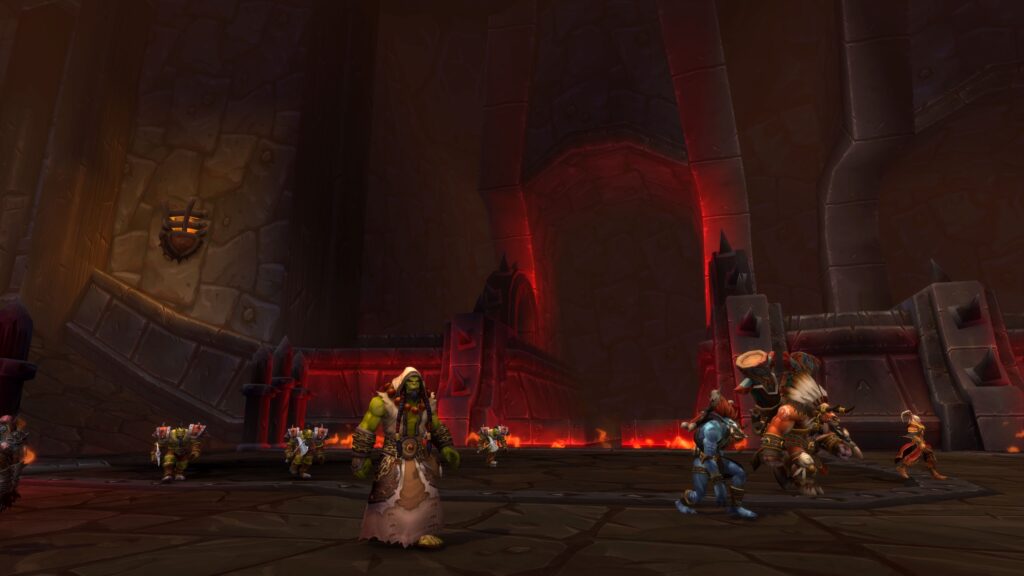
Implementing a scoring system to track attendance can help create accountability. Use shared calendars, communication channels, or online tools to manage attendance tracking and schedules.
While some guilds use strict attendance policies, others take a more relaxed approach, addressing attendance issues as they arise. Reported absences should ideally occur within a specific time frame to avoid last-minute changes.
Frequently Asked Questions
Can I Join a Raiding Guild With Inconsistent Attendance?
Joining a raiding guild with inconsistent attendance is challenging. Most guilds expect consistent availability for raiding requirements, often requiring dedication levels of two-three times a week.
Guild ethos strongly emphasizes reliability to guarantee full rosters for mythic advancement. If your schedule varies, you might find it difficult to fit in, but casual guilds with more adaptable attendance policies or pug raids may be an option for you.
Do Guilds Accept Players Who Miss Raids Due to Real-Life Conflicts?
Yes, some guilds do accept players who miss raids due to real-life conflicts. Balancing priorities and managing expectations is key. Flexibility and compromise are essential, as guilds recognize that members have personal commitments.
Officers often handle absences on a case-by-case basis, ensuring that both the guild’s and members’ needs are met.
How Do Guilds Handle Attendance With Part-Time Raiders?
To handle attendance with part-time raiders, guilds use incentive programs and effective communication strategies. They set clear expectations, monitor attendance, and enforce consequences for missed raids.
Officers handle attendance issues, sometimes using scoring systems, and occasionally require part-time players to post notifications about absences. A roster of 24-26 players helps manage less consistent members, while emphasizing the need for commitment and regular communication.
Are Attendance Records Tracked in a Formal Manner?
You can formally track attendance records in WoW using tools like Warcraftlogs guild pages. These tools keep track of attendance and performance consistency, which most guilds consider important for accountability and reputation.
If you need detailed attendance records, you can use spreadsheets or attendance tracking features in various guild management systems.
Consistency in performance is essential, and these tools help guarantee that.
Can a Guild’s Attendance Policy Affect Loot Distribution?
So, can a guild’s attendance policy impact loot distribution? Absolutely, yes.
Most guilds use attendance records to influence loot distribution policies. This guarantees that players with higher attendance rates get priority for valuable items.
For instance, attendance-based roll systems or merit systems like EPGP can de-emphasize random rolls and instead favor consistent contributors, making the loot distribution more fair and rewarding.
Conclusion
the significance of consistency in raid attendance and dedication in wow
[1. the importance of regularity]
- Regularity in attendance is pivotal in fostering trust, accountability, and continuous learning and development within a team.
- A workforce known for punctuality and consistent attendance sends a positive message to others and contributes to a positive organizational image.
- Reliable attendance reflects a dedication to professionalism and reliability, enhancing stakeholder trust and reputation.
- Good attendance is often linked to performance, productivity, and overall contribution to the team.
- Regularity in attendance ensures seamless operations and minimizes disruptions, leading to better planning and resource allocation.
[2. managing attendance effectively]
- Leadership plays a crucial role in managing attendance by setting clear expectations and maintaining open communication channels.
- Implementing a fair and transparent attendance policy can help maintain a consistent team composition and reduce last-minute adjustments.
- Approaches like using attendance records, incentives, and penalties can be effective in minimizing absenteeism.
- Leaders should respect their members’ time and ensure that each individual’s dedication is valued and utilized effectively.
[3. leadership communication strategies]
- Effective communication involves being transparent, clear, and timely in addressing attendance-related issues.
- Leaders should build trust by being consistent in their communication and demonstrate a dedication to personal and professional advancement.
- Additionally, fostering a culture of respect and accountability within the team helps to create a cohesive and productive environment.
[4. minimizing conflicts proactively]
- Managing attendance proactively can reduce conflicts by identifying and addressing potential issues before they escalate.
- Ensuring that expectations are well-communicated and consistently enforced can help minimize misunderstandings and disputes.
- A fair and structured approach to attendance management can reduce tension and promote a more harmonious team environment.
[5. ensuring player dedication]
- Encouraging dedication involves recognizing and rewarding consistent attendance and performance.
- Leaders should foster an environment that supports the growth and development of team members, both personally and professionally.
- To maintain dedication, it’s essential to ensure that each member feels valued and their efforts are acknowledged and appreciated.
Consistently showing up to raids and contributing to the team is vital for success in WoW.