

Stepping into the role of a Guild Master in World of Warcraft is akin to becoming the captain of a ship in uncharted waters; it’s a complex task that requires leadership, insight, and a steady hand. As you navigate the intricacies of managing a guild, you’ll find yourself at the helm of a diverse crew, each member looking to you for direction and inspiration. You’re about to embark on a journey that will challenge your skills in diplomacy, strategy, and community building. Whether it’s resolving conflicts, orchestrating raids, or keeping the guild bank stocked, your actions will shape the experience of your fellow adventurers. Stay with me, and together, we’ll chart a course that not only ensures your guild’s prosperity but also cements your status as a leader worth following.
Understanding Guild Dynamics
Mastering the intricate dynamics of a World of Warcraft guild requires a keen understanding of its social structure and the roles each member plays. As a guild master, you’re the linchpin, guiding the group according to the guild charter—a set of rules and goals that shape your collective identity. You’ll manage the guild roster, carefully balancing the needs of seasoned veterans and eager newcomers alike.
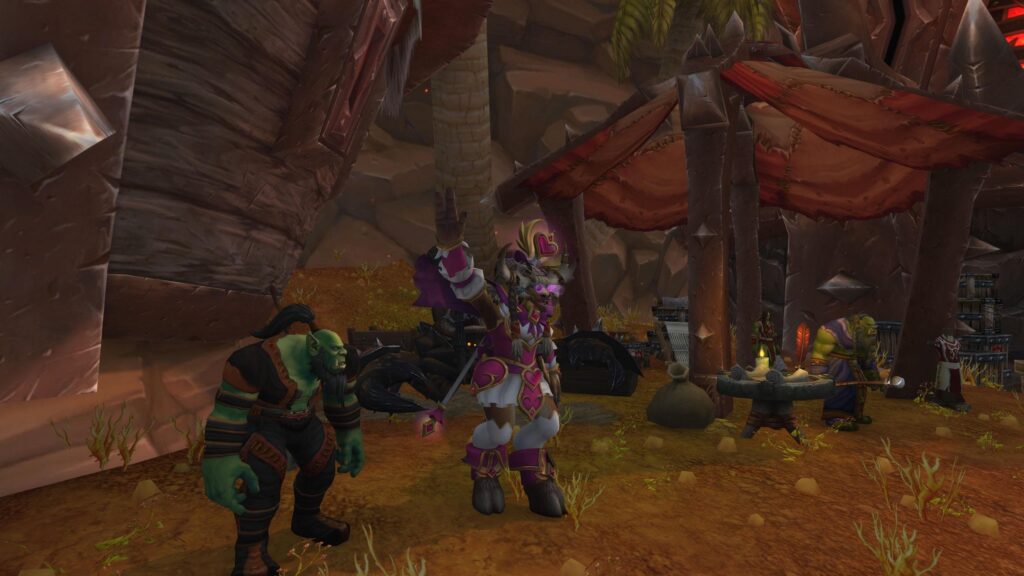
Your responsibilities extend to defining guild ranks, which establish a hierarchy within your community. These ranks help organize members, from officers who assist you in management, to raid leaders in a raiding guild, or tacticians in PvP guilds. Assigning these positions based on merit and commitment ensures a smooth operation.
The guild tabard becomes a symbol of your collective spirit, a visual representation of your guild’s ethos that members wear with pride. Whether you’re leading your guild through the throes of intense player versus player battles or coordinating a 20-man raid, your leadership will be the cornerstone of your guild’s progress and reputation.
Effective Recruitment Strategies
To build a thriving World of Warcraft guild, you’ll need to hone your recruitment strategies to attract the right mix of players. As a guild leader, it’s crucial to identify the type of guild you’re aiming to build. Whether it’s casual, raiding, PvP, or role-playing, your recruitment should align with your guild’s focus. When you’re clear about your guild’s direction, you can tailor your message to resonate with like-minded players.
Use the guild chat to communicate your needs, but don’t stop there. Get out into the major cities where potential recruits hang out. Crafting a clear, inviting message on city chat channels can pique the interest of players who are looking for a new guild home. When they see the unity and purpose your guild exhibits, they’ll be more inclined to join.
Managing Guild Progression
Once you’ve attracted a solid team through your recruitment efforts, it’s crucial to manage guild progression to keep members engaged and striving toward common goals. Progression isn’t just about downing the next big boss; it’s about setting a pace that’s challenging yet achievable, ensuring everyone’s on the same page, and celebrating those shared victories.
To keep things ticking along smoothly, you’ll want to:
- Set clear objectives: Whether it’s conquering the latest raid, dominating in PvP, or completing mythic dungeons, make sure everyone knows what the guild’s current targets are.
- Track and share progress: Utilize tools and addons that let you monitor how the guild is doing. Transparency with progression can be a huge motivator!
- Foster a culture of improvement: Encourage members to refine their skills and gear, and facilitate this by organizing training sessions or setting up groups for gear farming.
Enhancing Member Engagement
Engaging your guild members is crucial for fostering a vibrant community and ensuring long-term success. Remember, you’re not just leading a group of gamers; you’re building a mini-society within World of Warcraft. Start by setting clear, attainable goals for both individual members and the guild as a whole. This gives everyone a sense of purpose and direction.
Communication is key, so make sure you’re using all the tools at your disposal. Set up a Discord server or another platform where members can chat, share strategies, and coordinate playtimes. It’s not all about raiding and progression; schedule regular social events like mount runs or transmog contests to keep things fun and inclusive.
You’ll also want to recognize and reward active participation. Whether it’s through officer positions for the dedicated few or simple shout-outs for achievements, showing appreciation goes a long way. Encourage members to take on responsibilities, like organizing events or mentoring newcomers. This not only empowers them but also takes some weight off your shoulders.
Lastly, be present. You can’t expect to engage others if you’re not engaged yourself. Be available, be approachable, and above all, be the leader your guild members look up to and respect.
Navigating Guild Conflicts
As a guild master, you’ll inevitably face conflicts, and handling them swiftly and fairly is key to maintaining harmony. Whether it’s loot distribution, personality clashes, or strategic disagreements, your role is to steer the ship through these choppy waters. It’s not just about making decisions; it’s about fostering an environment where everyone feels heard and respected.
Here are a few pointers to help you navigate guild conflicts with grace:
- Listen First, Act Second: Before jumping to conclusions, make sure you’ve got the full picture. Listen to all sides without bias. It’s easy to want to fix things immediately, but understanding the root of the issue is crucial.
- Communicate Clearly and Calmly: When you’re ready to address the conflict, do it with a level head. Clear communication can prevent a small misunderstanding from turning into a guild-breaking drama.
- Establish and Uphold Rules: Set clear, fair rules from the start and stick to them. Consistency in how you handle conflicts will earn you respect and trust.
Frequently Asked Questions
How Do You Handle Burnout as a Guild Master in World of Warcraft When Motivation Starts to Wane?
When you’re feeling burnt out, it’s crucial to delegate tasks, take breaks, and remember to enjoy the game. Reconnect with why you started playing to rekindle your motivation.
What Are the Best Practices for Dealing With the Departure of Key Guild Members or Officers?
When key team members leave, it’s crucial to maintain morale. About 65% of groups see a decline in productivity; mitigate this by quickly filling roles and ensuring everyone’s aligned with the new direction.
How Can a Guild Master Fairly Distribute Loot and Rewards, Especially When Dealing With a Diverse Group of Players With Different Contributions?
You’ll want to establish clear loot distribution rules, balancing fairness with recognition of individual contributions, ensuring everyone feels valued while rewarding consistent effort and significant achievements within your team.
How Should a Guild Master Approach the Decision to Merge With Another Guild to Benefit Overall Progression?
Navigating guild dynamics is like steering a ship through stormy seas. You should weigh the pros and cons, ensuring the merger aligns with your members’ goals and doesn’t capsize your collective progress.
What Are Some Creative Ways to Maintain a Guild’s Culture and Identity as It Grows and Evolves in World of Warcraft?
To keep your guild’s unique vibe, you’ll want to organize regular social events, celebrate member milestones, and encourage in-game and out-of-game communication that reflects your guild’s values and traditions.