
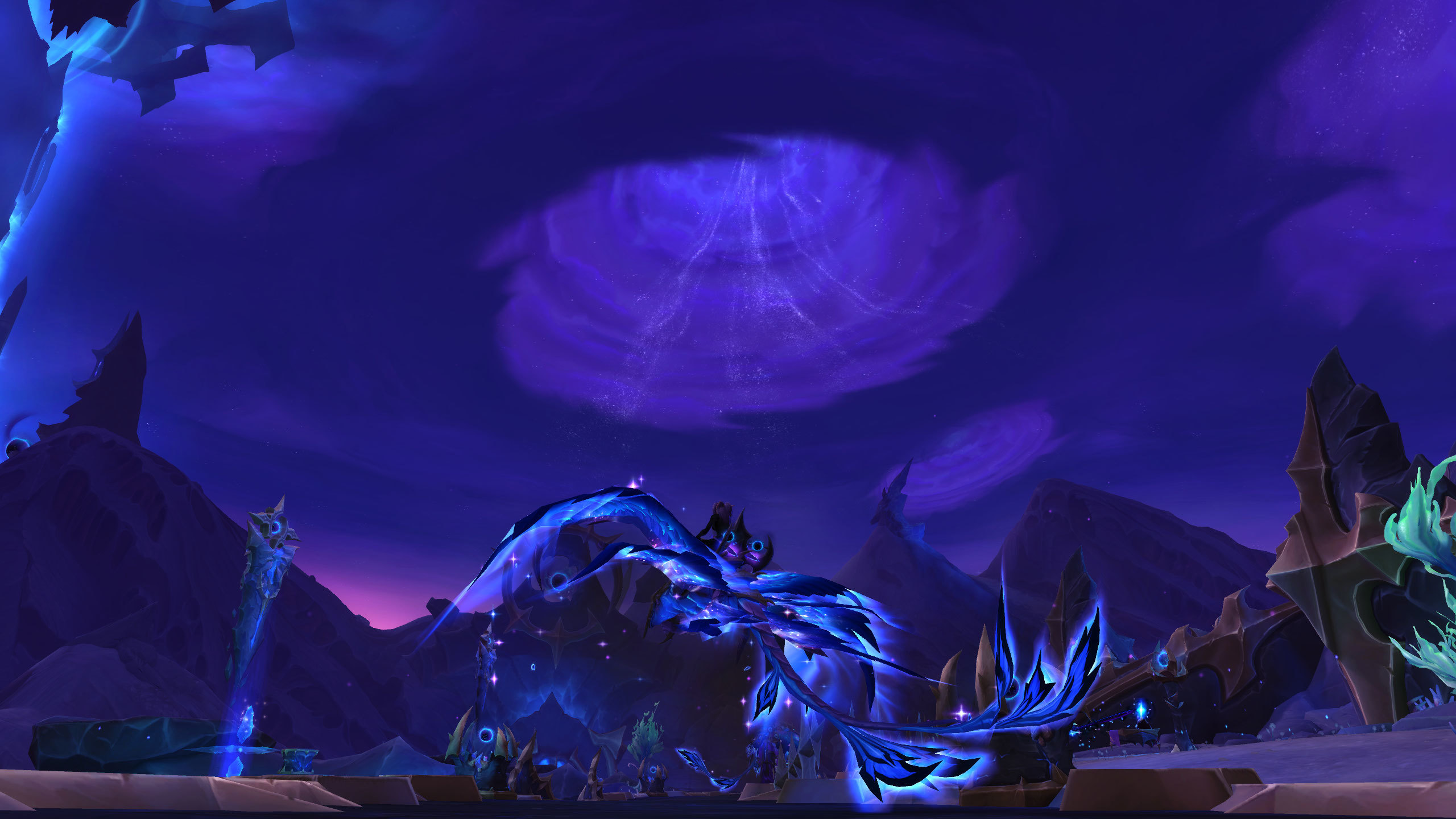
The Burning Crusade launched in 2007 as World of Warcraft’s first expansion, fundamentally changing the game forever. Some players argue it ruined Vanilla’s vision while others credit it with saving WoW from stagnation. This retrospective examines both perspectives two decades later.
What Changed
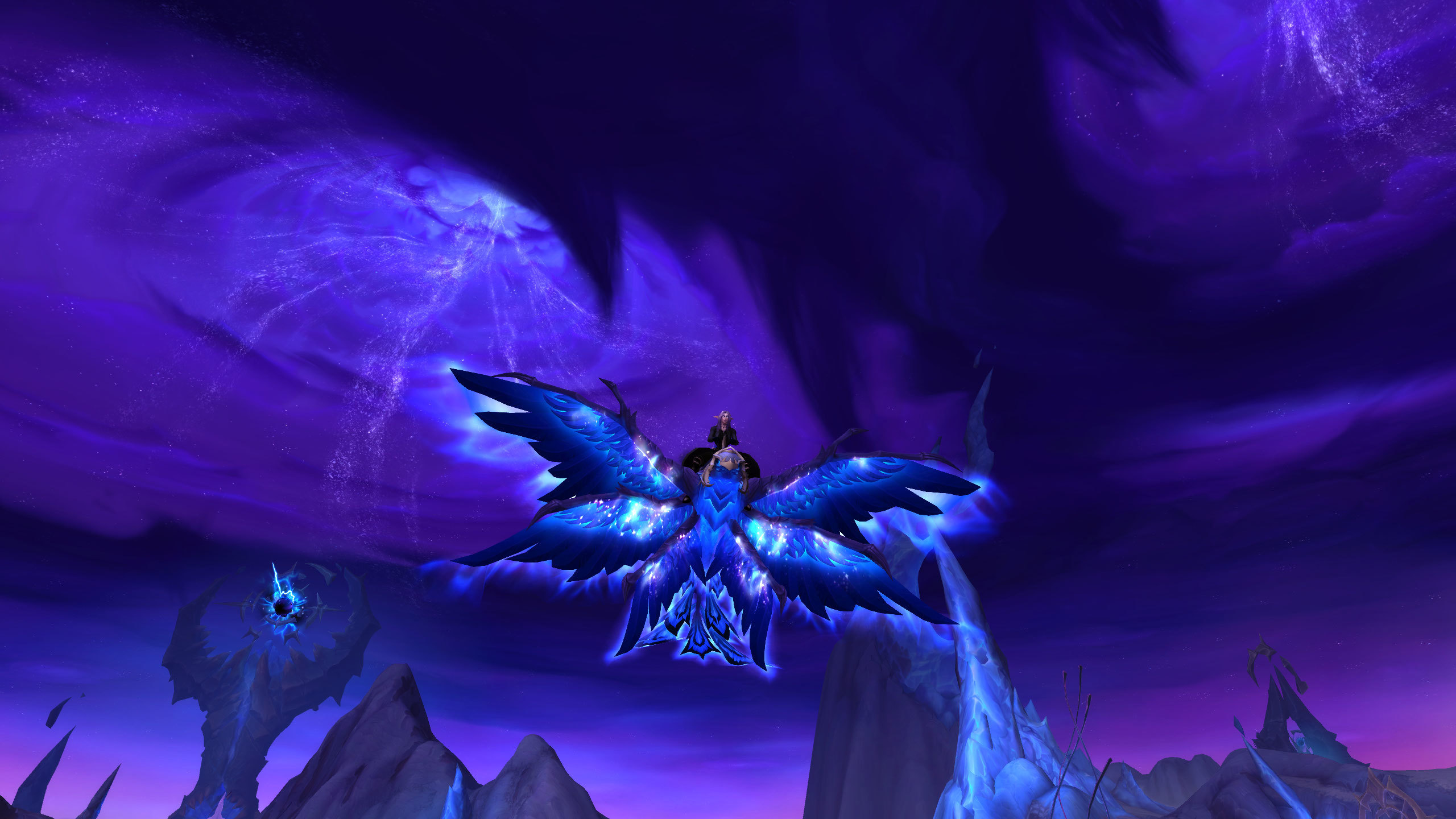
TBC introduced flying mounts, fundamentally altering world traversal. The level cap increased to 70, making Vanilla content obsolete overnight. New races joined both factions, shifting faction balance dramatically. Heroic dungeons and raid difficulty tiers created new endgame structures.
Arena PvP introduced competitive ranked play with seasonal rewards. Badge systems provided catch-up mechanics for newer players. Daily quests became a core gameplay loop that persists today.
The Case Against TBC
- Flying Mounts: Made the world feel smaller and less dangerous
- Devalued Vanilla: Years of progression became irrelevant
- Community Impact: Server communities fragmented with difficulty tiers
- Pace Changes: Faster gameplay lost Vanilla’s deliberate feel
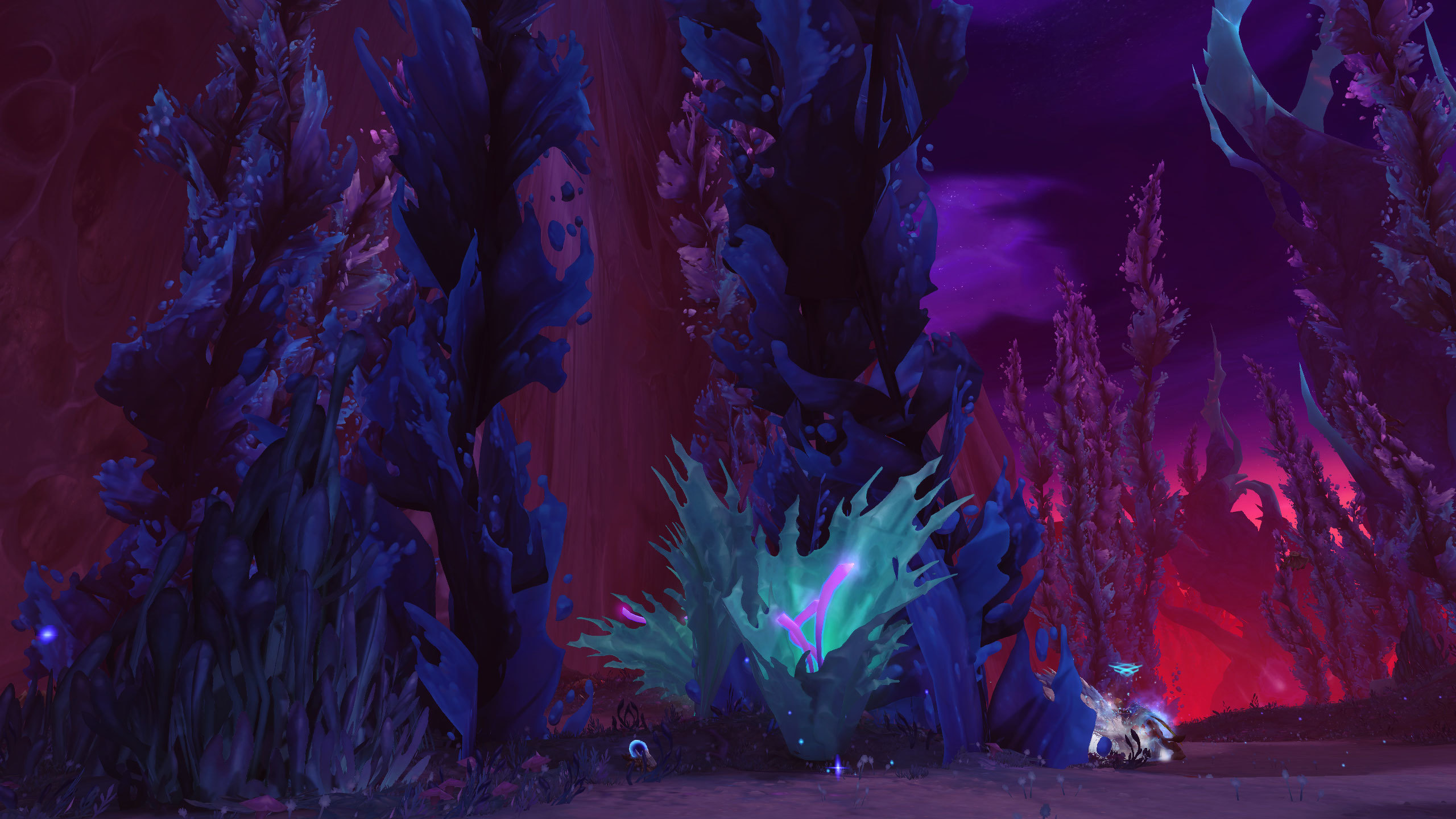
- World Design: Outland felt disconnected from Azeroth
The Case For TBC
The expansion saved WoW from inevitable decline by adding necessary content. Flying mounts provided quality of life improvements that players demanded. Arena system created sustainable competitive PvP. Heroic dungeons gave max-level players reasons to continue running 5-man content.
Black Temple and Sunwell remain among the best raids ever designed. The expansion proved WoW could evolve while maintaining its core identity. Without TBC’s innovations, modern WoW wouldn’t exist.
Final Verdict
TBC didn’t ruin Vanilla—it evolved it. While nostalgia colors Vanilla fondly, the expansion addressed real problems with pacing and content drought. The changes were necessary for WoW’s long-term survival.