
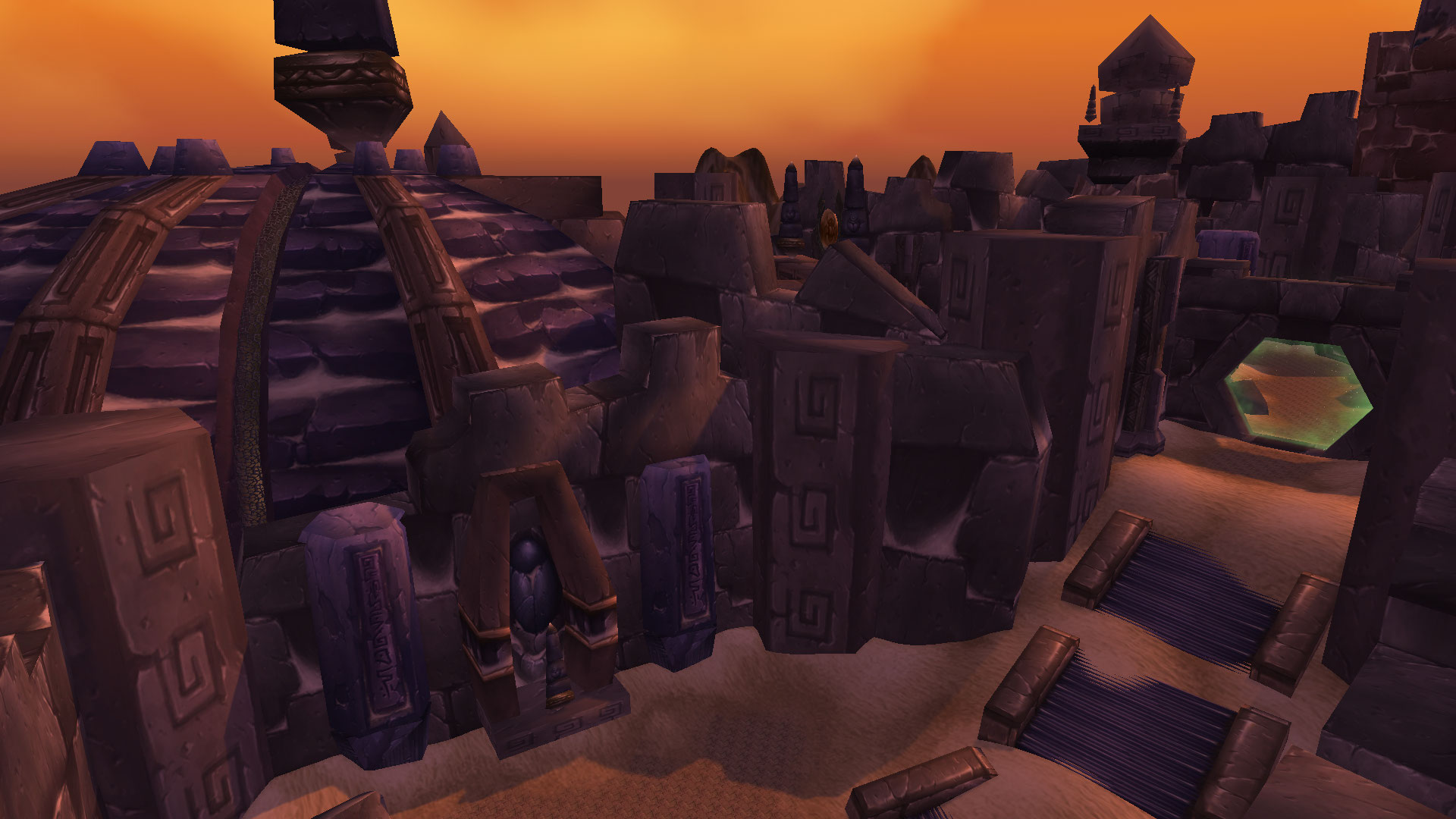
The Highborne legacy in Feralas is a fascinating aspect of World of Warcraft lore, showcasing the remnants of a once-great civilization. This guide delves into the ruins of Dire Maul, the history of the High Elves, and their significant split from the Night Elf druids. Understanding this complex narrative enriches the gameplay experience and reveals the intricate connections between these two factions.
What are the key features of the Highborne ruins in Feralas?
The Highborne ruins in Feralas, particularly Dire Maul, are characterized by their ancient architecture, magical remnants, and historical significance to the High Elves.
Dire Maul, once a thriving center of Highborne culture, now stands as a testament to their advanced civilization. The ruins are filled with intricate designs, showcasing the architectural prowess of the Highborne, who were known for their affinity with magic and nature. The remnants of their magical practices can still be felt in the area, with lingering enchantments and powerful artifacts scattered throughout the ruins. These sites are not only important for their aesthetic value but also for the lore they encapsulate, reflecting the Highborne’s connection to the Well of Eternity and their eventual downfall.
Players exploring these ruins will encounter various challenges, including powerful enemies and environmental hazards that reflect the chaotic history of the Highborne. The lore surrounding these ruins reveals the tragic fate of the Highborne after the War of the Ancients, leading to their separation from the Night Elves. Understanding the historical context of these ruins enhances the gameplay experience, providing players with a deeper appreciation for the sacrifices made by the Highborne and their enduring legacy in Azeroth.
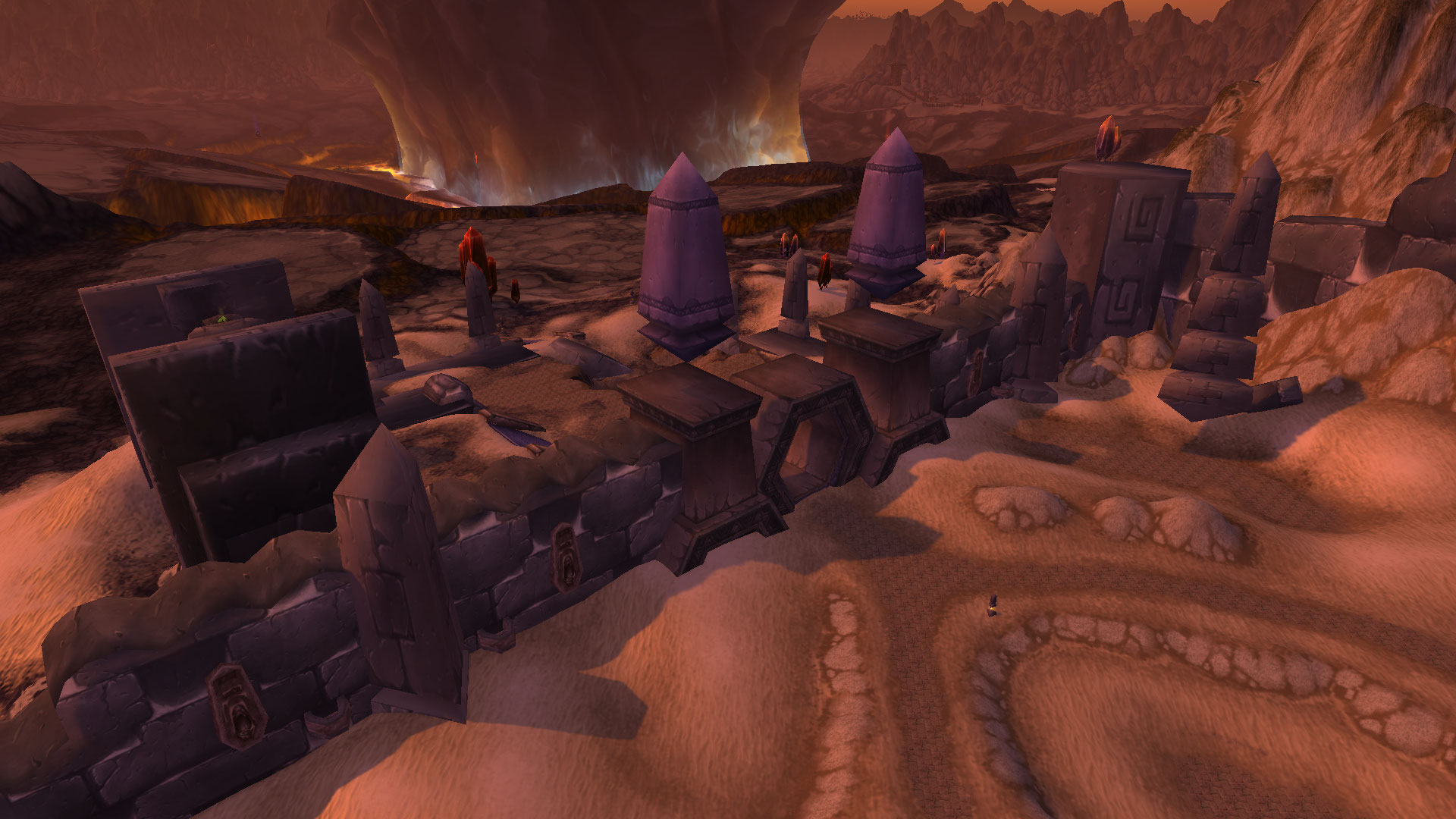
How did the High Elves of Dire Maul differ from Night Elf druids?
The High Elves of Dire Maul diverged from Night Elf druids primarily through their focus on arcane magic rather than nature-based druidic practices.
While Night Elf druids embraced the natural world, seeking to maintain balance and harmony with nature, the High Elves pursued the arcane arts, which led to their eventual downfall. This divergence began during the War of the Ancients, where the Highborne’s obsession with the Well of Eternity and its powers set them apart from their Night Elf kin. The Highborne believed that their mastery of magic would elevate their status and power, ultimately leading to their exile after the catastrophic events that followed the war.
This split created a cultural rift that defined the identities of both factions. High Elves, particularly those in Dire Maul, became adept at manipulating arcane energies, which allowed them to create powerful spells and artifacts. However, this focus on magic also made them vulnerable to corruption, as seen with the rise of the Burning Legion. Players can explore this dichotomy through quests and lore, gaining insight into the motivations and struggles of both the High Elves and Night Elves, enriching their understanding of the game’s narrative.
- Understand the cultural significance of arcane magic to the High Elves.
- Explore the consequences of the Highborne’s obsession with power.
- Recognize the Night Elves’ commitment to nature and balance.
- Investigate how these differences shaped their respective destinies.
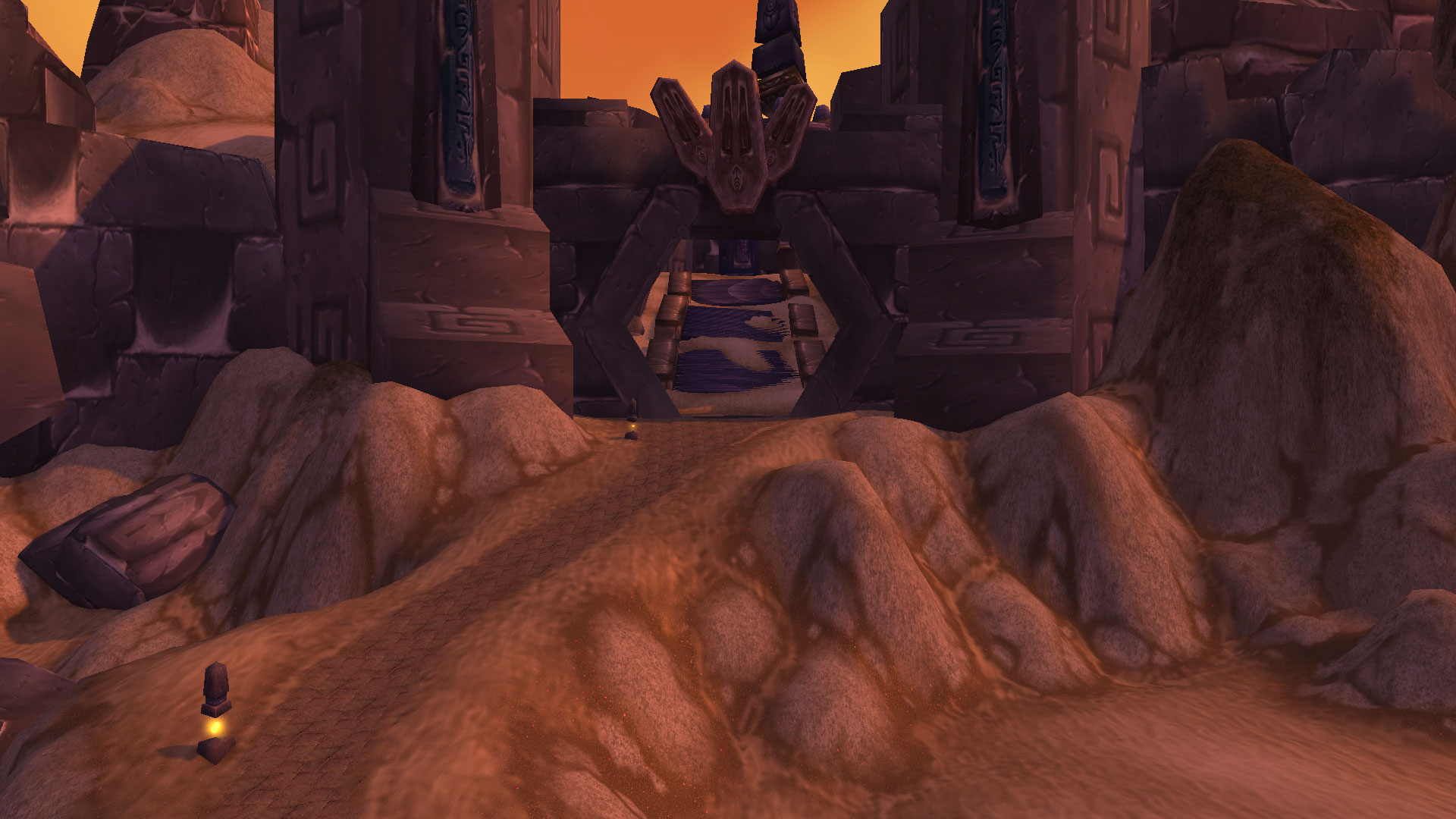
What historical events led to the Highborne’s split from the Night Elves?
The split between the Highborne and Night Elves was primarily driven by the War of the Ancients and the subsequent exile of the Highborne.
The War of the Ancients marked a pivotal moment in the history of the Highborne, as their insatiable thirst for power and knowledge led them to ally with the Burning Legion. This catastrophic decision resulted in the destruction of much of their civilization and the Well of Eternity itself. Following the war, the Night Elves, led by Malfurion Stormrage, sought to distance themselves from the Highborne, who were seen as a threat to the balance of nature due to their reckless use of arcane magic.
The aftermath of the war saw the Highborne exiled to the fringes of society, where they established new communities, such as those in Feralas. This exile solidified their identity as a distinct group, separate from the Night Elves. Players can delve into this rich history through quests that reveal the consequences of the Highborne’s choices and the impact on their relationship with the Night Elves. Understanding these historical events provides players with a comprehensive view of the ongoing conflict and the legacy of the Highborne in the world of Azeroth.
| Event | Date | Impact | Key Figures |
|---|---|---|---|
| War of the Ancients | 10,000 years ago | Destruction of the Well of Eternity | Malfurion Stormrage, Queen Azshara |
| Exile of the Highborne | Post-War of the Ancients | Formation of Highborne communities | Lord Sanguinar, Dath’Remar Sunstrider |
| Establishment of Dire Maul | After the Exile | Center of Highborne culture | Various Highborne leaders |
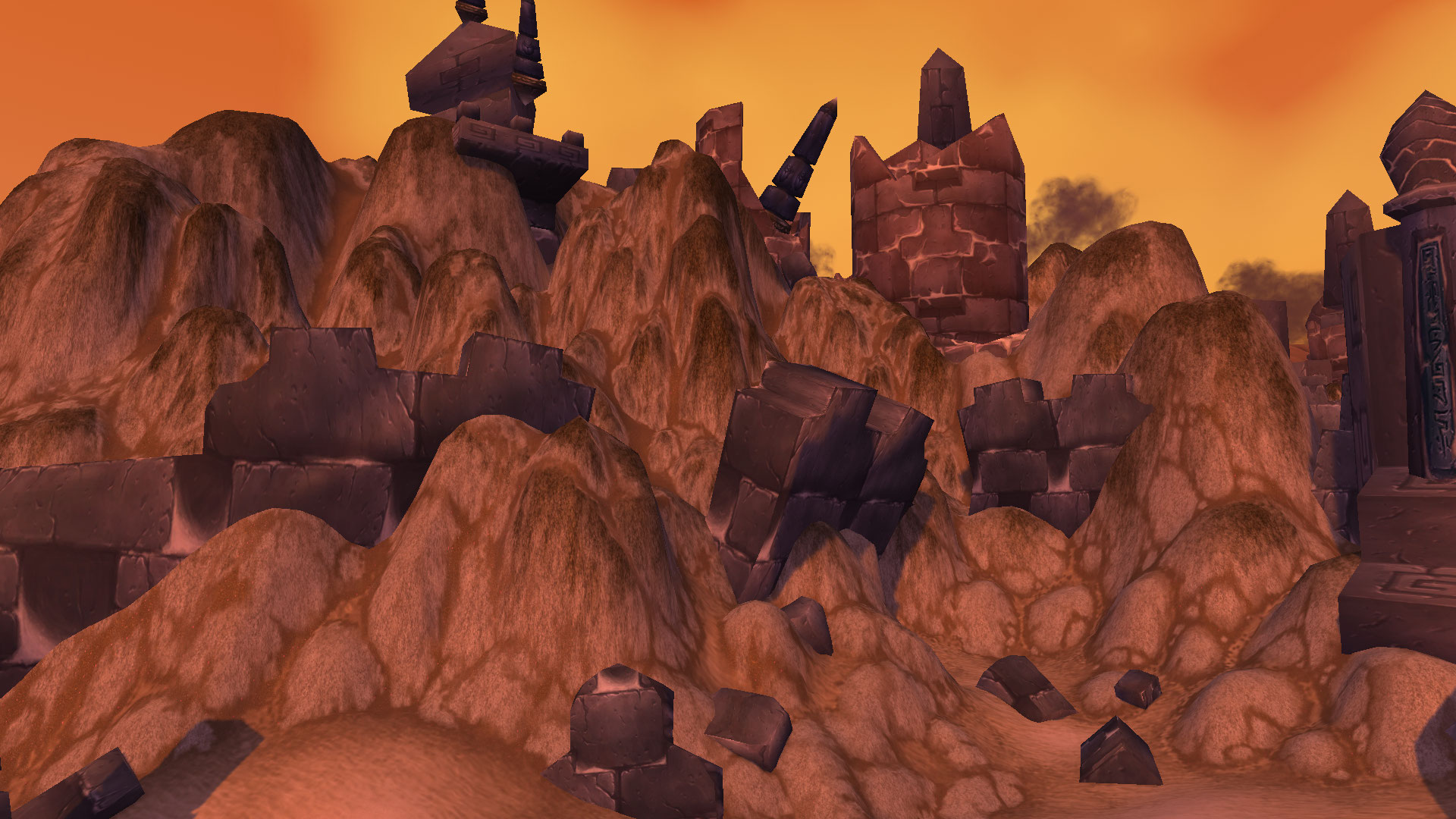
What are the critical elements of Highborne culture in Feralas?
Highborne culture in Feralas is characterized by a deep connection to arcane magic, a rich history of artistry, and a complex social structure.
The Highborne’s affinity for arcane magic is evident in their architectural designs, magical artifacts, and the remnants of their ancient practices. This culture emphasizes the importance of knowledge and power, often leading to a hierarchical society where those with greater magical prowess hold more influence. The artistic expressions found in their ruins, such as intricate carvings and magical constructs, reflect their sophisticated understanding of both magic and aesthetics.
Furthermore, the social structure of the Highborne is complex, with various factions and families vying for power and influence. This internal competition often leads to conflicts, as seen in the history of Dire Maul, where power struggles among the Highborne resulted in both alliances and betrayals. Players can engage with this culture through quests that explore the dynamics within Highborne society, providing a deeper understanding of their motivations and conflicts. This cultural exploration enhances the overall gameplay experience, allowing players to appreciate the nuances of the Highborne legacy.
How can players effectively engage with the Highborne legacy in Feralas?
Players can engage with the Highborne legacy in Feralas by exploring the ruins, completing quests, and understanding the lore surrounding the High Elves.
To fully appreciate the Highborne legacy, players should actively explore the ruins of Dire Maul, seeking out hidden treasures and lore items that provide insight into the history of the Highborne. Completing quests related to the Highborne not only rewards players with experience but also deepens their understanding of the cultural and historical significance of these ancient sites. Engaging with NPCs who have ties to the Highborne can also reveal personal stories and perspectives that enrich the overall narrative.
Additionally, players should consider the implications of their choices within the game, as decisions made during quests can affect their standing with various factions, including the Highborne. By immersing themselves in the lore and actively participating in the unfolding story, players can forge a deeper connection with the Highborne legacy, enhancing their overall gameplay experience in World of Warcraft.
What are the best practices for understanding Highborne lore in Feralas?
To effectively understand Highborne lore in Feralas, players should focus on thorough exploration, quest completion, and engagement with community resources.
Exploring the ruins of Dire Maul and surrounding areas is essential for uncovering hidden lore and artifacts that provide context to the Highborne’s history. Players should take their time to read item descriptions, quest texts, and environmental storytelling elements that contribute to the overall narrative. Completing quests related to the Highborne will not only enhance gameplay but also provide valuable insights into their culture and history.
Engaging with community resources, such as forums, wikis, and lore discussions, can further deepen players’ understanding of the Highborne legacy. Sharing insights and theories with other players can lead to a richer appreciation of the lore and its implications for the game world. By combining exploration, questing, and community engagement, players can develop a comprehensive understanding of the Highborne legacy in Feralas, making their journey through Azeroth more meaningful.
Frequently Asked Questions
What role did the Highborne play in the War of the Ancients?
The Highborne played a significant role in the War of the Ancients by initially aligning with the Burning Legion due to their desire for power. This alliance ultimately led to their downfall and the destruction of the Well of Eternity, marking a turning point in their history.
How did the exile of the Highborne affect their culture?
The exile of the Highborne led to the establishment of distinct communities focused on arcane magic, resulting in a cultural shift away from nature-based practices. This separation solidified their identity as a unique faction within the broader context of Night Elf history.
What can players find in the ruins of Dire Maul?
Players can find various treasures, lore items, and powerful artifacts within the ruins of Dire Maul. These discoveries provide insight into the Highborne’s history and their advanced magical practices, enriching the gameplay experience.