

Throughout World of Warcraft’s expansive history, the balance of power between the Alliance and the Horde has undergone significant transformations. These shifts, driven by leadership changes, pivotal battles, and evolving narratives, have continually reshaped the political landscape of Azeroth.
The Formation and Early Conflicts
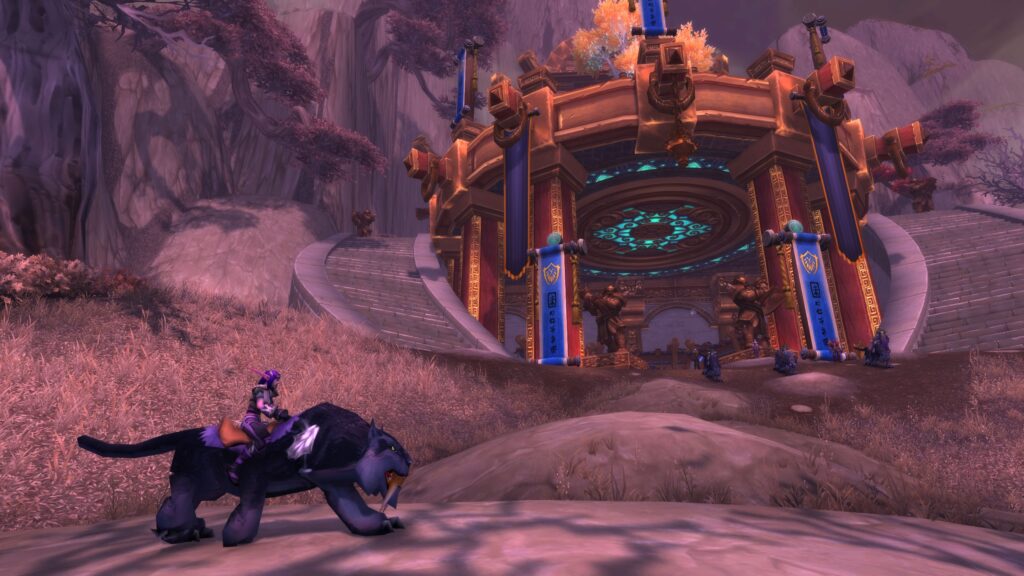
In the aftermath of the First and Second Wars, the Alliance emerged as a coalition of human kingdoms, dwarves, and elves, united against the orcish Horde. The Horde, initially a force of conquest from Draenor, found new purpose under Thrall’s leadership, transitioning from a demonic war machine to a society seeking honor and survival.
The Burning Crusade: New Alliances

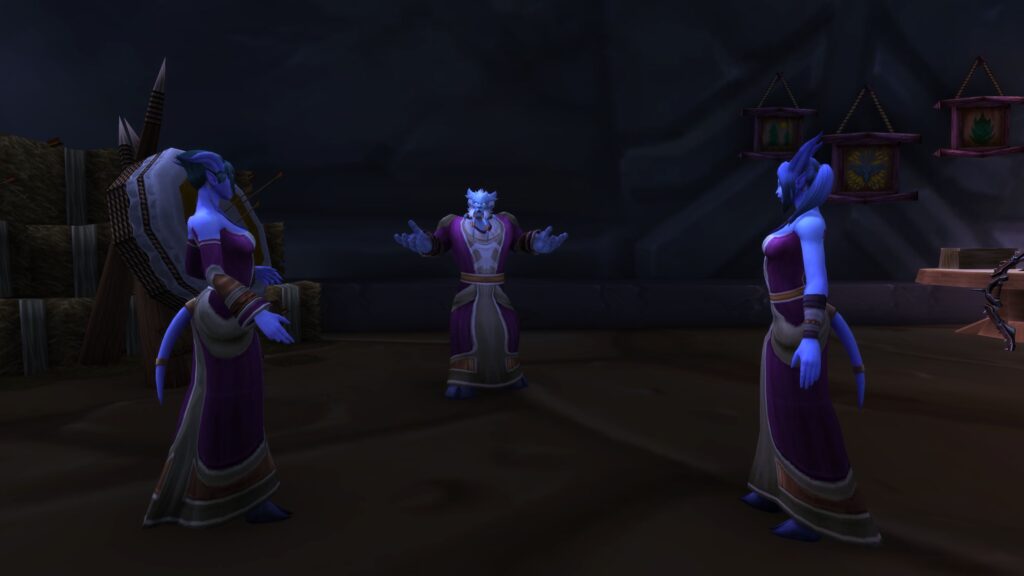
The discovery of Outland introduced new allies to both factions. The Alliance welcomed the Draenei, survivors of the Burning Legion’s onslaught, while the Horde embraced the Blood Elves, former High Elves seeking a cure for their magical addiction. These additions diversified the factions and set the stage for future conflicts.
Wrath of the Lich King: Unity Against a Common Foe
Facing the threat of the Lich King in Northrend, the Alliance and Horde found themselves in an uneasy truce. While skirmishes occurred, the overarching menace of the Scourge necessitated cooperation, highlighting the complexities of their rivalry.
Cataclysm: Internal Strife and Leadership Changes
The Cataclysm wrought by Deathwing caused widespread devastation, leading to leadership upheavals. The Horde saw Garrosh Hellscream rise as Warchief, whose aggressive policies strained relations with the Alliance. Concurrently, the Alliance grappled with internal challenges, including the loss of key territories.
Mists of Pandaria: War and Its Consequences
The discovery of Pandaria reignited full-scale war between the factions. Garrosh’s tyrannical actions led to his downfall, uniting both sides in a rebellion against him. This pivotal moment showcased the potential for unity amidst deep-seated enmity.
Battle for Azeroth: Renewed Hostilities
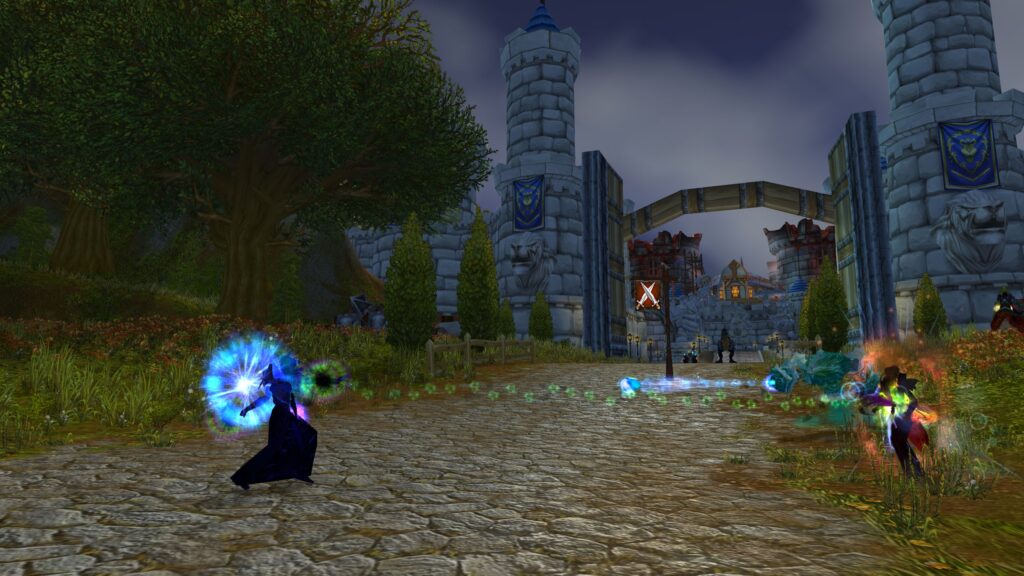
The battle for resources like Azerite reignited tensions, leading to significant events such as the burning of Teldrassil and the siege of Lordaeron. Leadership disputes within the Horde culminated in Sylvanas Windrunner’s departure, prompting both factions to reevaluate their paths forward.
Shadowlands and Beyond: Toward Cooperation
In the Shadowlands, leaders like Anduin Wrynn and Thrall faced personal trials, emphasizing themes of redemption and unity. The subsequent discovery of the Dragon Isles in the Dragonflight expansion further encouraged collaboration, as both factions sought to uncover ancient secrets and confront emerging threats.
Conclusion
The dynamic power shifts between the Alliance and Horde have been central to World of Warcraft’s evolving narrative. From fierce adversaries to reluctant allies, their intertwined destinies continue to shape Azeroth’s future, reflecting the complexities of conflict, leadership, and unity.
Home